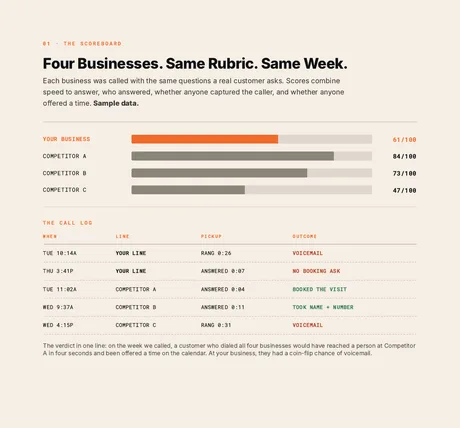
 See a Sample Report (PDF)
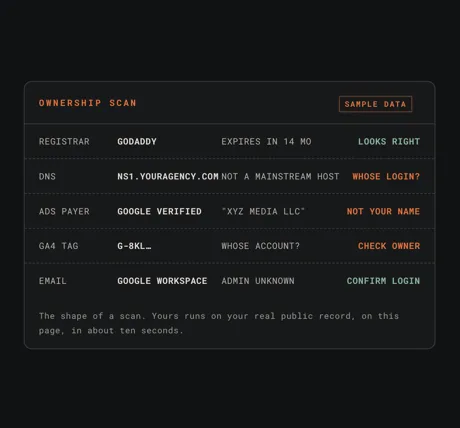 See What a Scan Returns
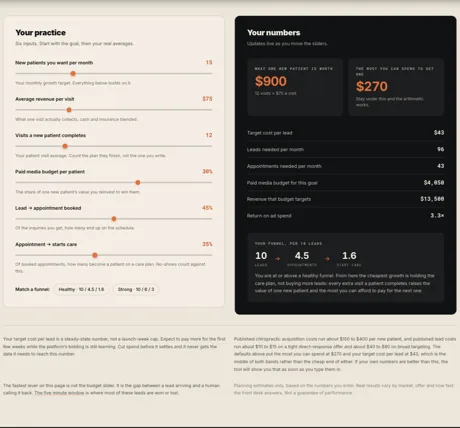 Run the Numbers
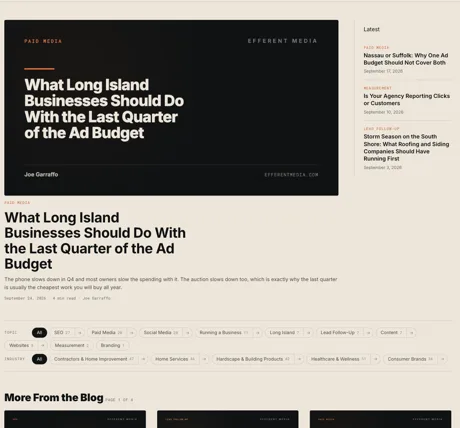 Read the Latest
Ask most agencies to grow a dental practice and you get more new patients. Ask a practice owner what they need and you usually get something narrower: more hygiene recall, more of the cases they actually like doing, fewer gaps at four in the afternoon.
Those are not the same goal, and the marketing that serves one often works against the other.
New patients are not the constraint. Chair time is.
A practice with three operatories and two hygienists has a fixed ceiling on production. Marketing that pours unqualified new patients into a full schedule does not raise revenue, it raises no-shows and shortens the time your front desk has for the patients already on the books.
So before spending on acquisition, answer three questions about the schedule you already have:
- How full is hygiene, eight weeks out? If recall is soft, that is cheaper revenue than any new patient, and it needs a reminder sequence rather than an ad budget.
- Which procedures do you want more of? A practice that wants implants and a practice that wants pediatric cleanings should not be running the same campaigns, and usually are.
- What happens to a call at 4:50 on a Friday? Most practices lose more revenue there than anywhere in their marketing.
The phone is still where the money is
Dental is a phone-first category. A prospective patient with a cracked molar is not filling in a contact form and waiting.
What that means in practice:
A missed call is a lost patient, not a lead to follow up. They call the next practice on the list inside two minutes. If your marketing produces calls you do not answer, you are paying to send patients to a competitor.
Call tracking is not optional. Without it you cannot tell which campaign produced a booked appointment, only which produced ringing. Those are very different numbers and the gap between them is where most dental ad budgets disappear.
A sixty-second call is the floor. Anything shorter is usually a wrong number, a supplier, or a hang-up. Counting it as a lead makes an account look healthy while the schedule stays empty.
Local search is most of the decision
Patients choose a dentist the way they choose a plumber: proximity, reviews, and whether the practice looks currently open for business.
That makes your Google Business Profile more important than your website for a large share of new patients. Category, hours, insurance information, procedures listed as services, recent photographs, and reviews answered in public. Profile work is free, it moves faster than anything else available, and it is the most commonly neglected asset in the practice.
Reviews deserve their own note. Volume matters less than recency. Forty reviews with the newest from 2023 reads worse than fifteen with three from this month, because the second practice looks like it is still operating.
Where dental marketing runs into rules
Dental sits inside healthcare advertising, and the platforms enforce that whether or not anyone tells you.
Three things reliably cause trouble:
- Before and after photography. Useful, persuasive, and restricted. It cannot be used for remarketing audiences and it carries consent obligations that a stock-photo workflow will not satisfy.
- Language that implies a personal condition. Ad copy addressing a reader's teeth directly is a common disapproval cause. Describe the service, not the reader.
- Tracking on pages with health intent. Standard analytics and advertising pixels on a page where somebody books a consultation is a real exposure, not a technicality. Those pages need a different tracking approach from the rest of the site.
None of this stops you advertising. It changes how, and an agency that has not run a healthcare account will learn it on your budget.
What we would change first
For most practices, in this order:
- Answer the phone, and measure it. Call tracking with a real qualification threshold, and a missed-call text-back so a 4:50 Friday call does not evaporate.
- Fix the profile before buying traffic. Categories, services, hours, photos, and a review request that actually goes out after appointments.
- Separate the procedures you want from the ones you do not. Different campaigns, different budgets, different pages.
- Then, and only then, scale acquisition, against a schedule that has room and a phone that gets answered.
The practices that grow are rarely the ones that spent the most. They are the ones that stopped losing what they had already paid for.