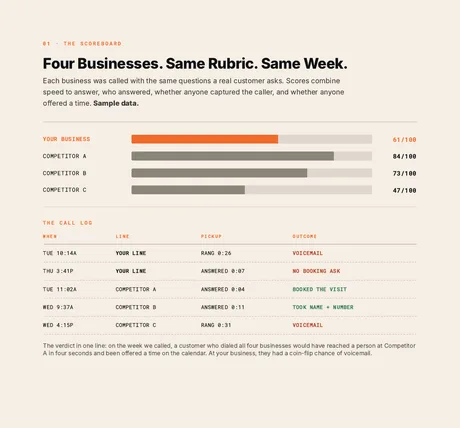
 See a Sample Report (PDF)
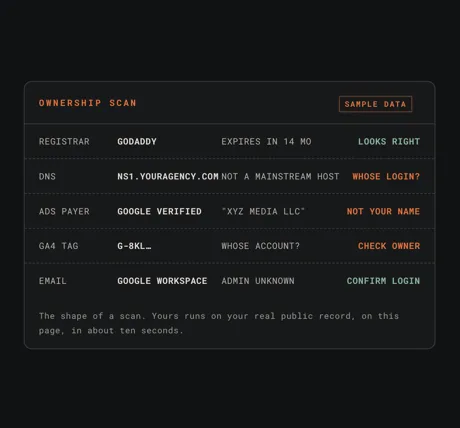 See What a Scan Returns
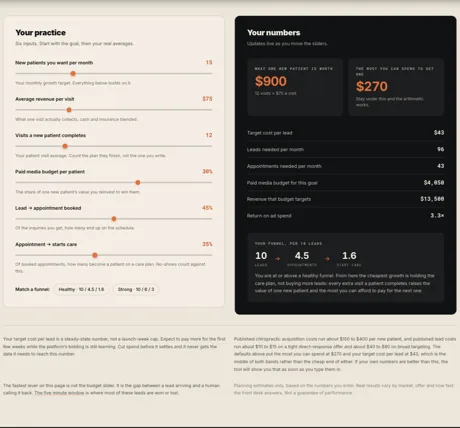 Run the Numbers
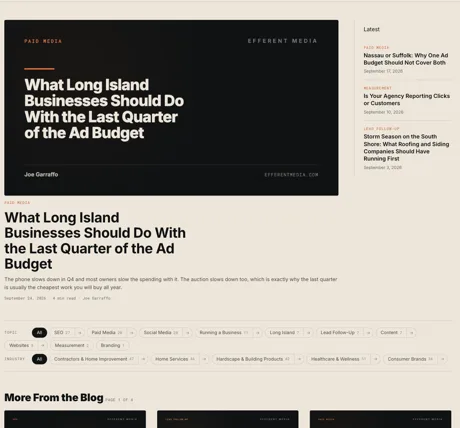 Read the Latest
Case study

Half the Spend, Five Times the Click-Through.
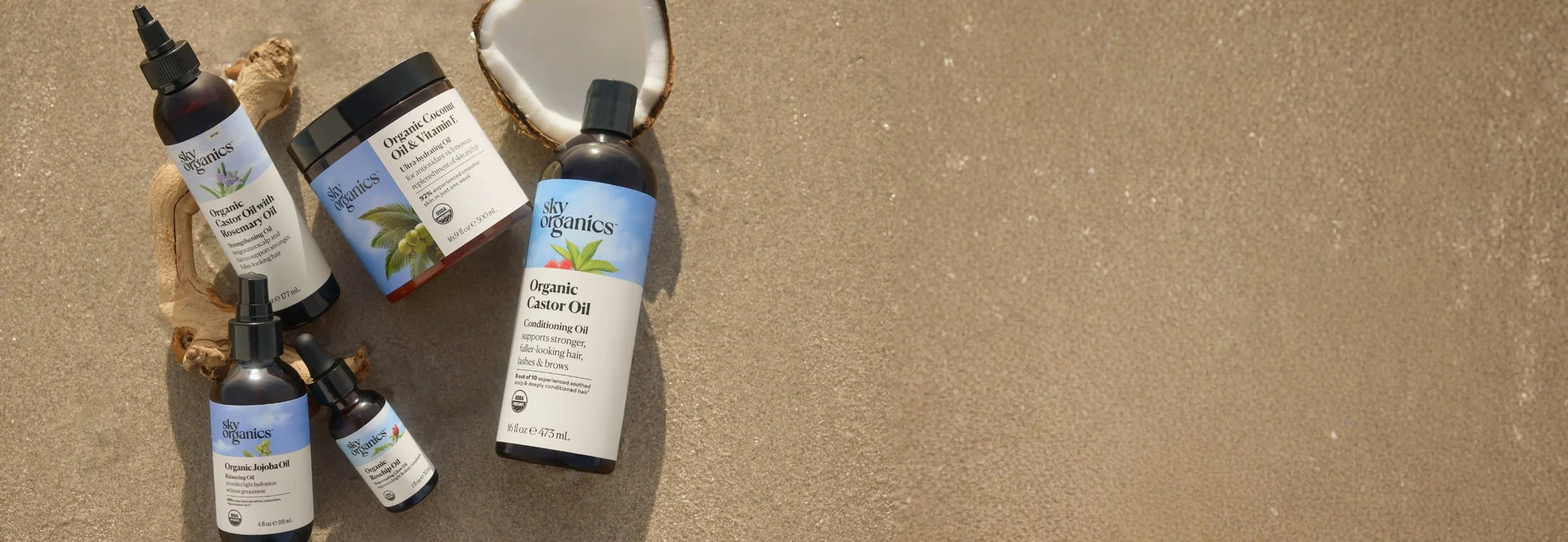
Sky Organics had negotiated a limited run of its Curl Care line inside Walmart. It had one shot at making the most of it.
The Problem
Sky Organics® was built on its founder’s concern about what everyday products do to the environment over time, and on the harder commercial requirement that natural products still have to outperform the household names sitting beside them on the shelf.
Hair and beauty is brutally competitive, and it is worse in mass market and big-box retail, where cutting through the noise is most of the job.
The campaign running before we arrived was expensive and blunt. Two consecutive months came in at $14,656.38 and $22,355.57. Cost per click hovered around a dollar, peaking at $1.48. The best click-through rate the account had ever produced was 1.27 percent, and it took the larger of those two months to get it.
What We Changed
Started smaller, on purpose
The first month of the Curl Care campaign spent $3,489.76 across Facebook and Instagram, well under what the brand had been spending, because a new campaign buying its way to a verdict learns nothing.
Tested granularly and continuously
Audience targeting, new image and video creative, ad copy variations, thumbnail optimizations and remarketing segments, all against extensive competitor research.
Pivoted on the data rather than the calendar
Well-timed pivots rather than scheduled refreshes. Cost per click came down to the $0.39 to $0.41 range while click-through climbed to a high of 5.11 percent.
Pointed all of it at the retailer's own page
Traffic went to the Curl Care collection on the retailer’s site, to online purchase, and to directions for the stores carrying the line, so the campaign was answerable to the partnership rather than to a vanity metric.
What Else Came Out of It
- The retailer rolled the entire Curl Care line out to all of its U.S. stores after the campaign. Contract terms prevent us disclosing unit sales or revenue.
More work
Other Case Studies
 Aboff's Paints
Long Island's paint retailer since 1929.
In-store, on a tracked couponOut-sold that year’s print and TV combined
Read the case study → Arrow Exterminating
Pest control across Nassau and Suffolk since 1947.
Year over year519% more goal conversions
Read the case study → Nicolock
Paving stones and retaining walls, manufactured on Long Island.
Blended Google and Facebook, one month$4.80 average cost per lead
Read the case study →
FAQ
Questions We Hear Every Week
Straight answers. If something is not here, ask us on the audit call.
Why do my ad platforms report more sales than my store?
Because each platform reports its own contribution using its own attribution model, and several of them claim the same order. Reconcile down to the store.
What is a good ROAS for a DTC brand?
The wrong question. The right one is contribution margin per unit after cost of goods, shipping and media, which is the number that decides whether growth is worth having.
How much creative do I need for paid social?
More than one production cycle comfortably produces, which is why a pipeline matters more than any single asset.
Should I be on Amazon?
Usually, at least defensively. If you are not there, somebody else is answering for your category on the page where the decision happens.
How do I lower customer acquisition cost?
Usually by improving the second purchase rather than the first. Owned channels carry the margin that makes paid affordable.

Let’s talk
Get Your Free Marketing Audit
Tell us about your business. We’ll show you where the growth is, within 48 hours.