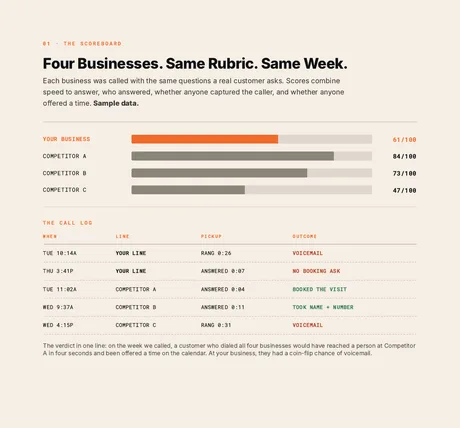
 See a Sample Report (PDF)
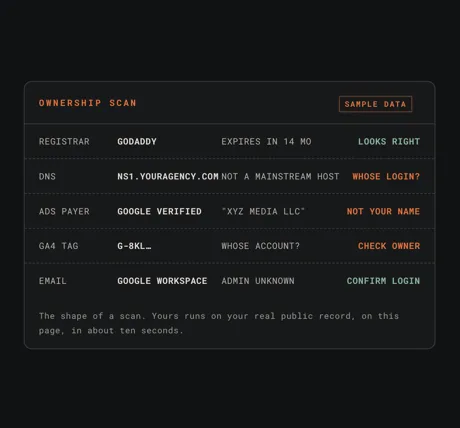 See What a Scan Returns
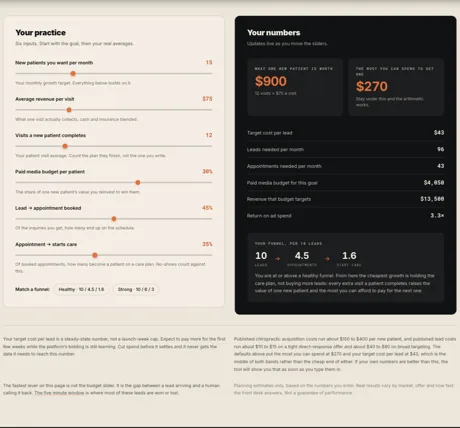 Run the Numbers
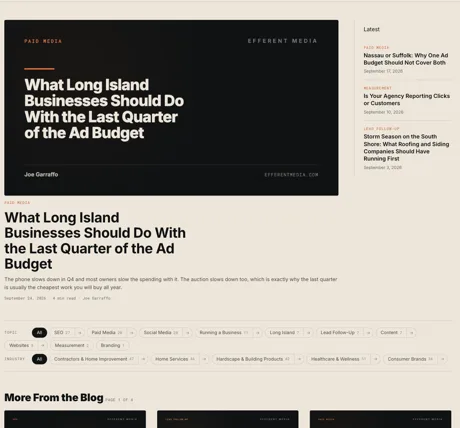 Read the Latest
Set your holiday hours everywhere, now, for every closure you already know about. It takes fifteen minutes and it prevents the single most avoidable bad experience a local business hands a customer in December.
The failure is quiet and it works like this. Somebody searches, sees you listed as open, calls, and gets nothing. They do not think "they must be closed for the holiday." They think you do not answer your phone. Then they call the next company, and some fraction of them say so in a review.
Where the Hours Actually Live
More places than most owners realize, and they do not sync to each other.
- Google Business Profile. The one that matters most, because it feeds the map pack and the knowledge panel. Special hours are a separate field from regular hours; setting the regular ones does nothing for a holiday.
- Your own website. Header, footer, contact page, and any location page. These are frequently three different answers already.
- Apple Maps, Bing Places, Yelp. Smaller volume, and the customers who use them are no less real.
- The phone system itself. The greeting, the after-hours message, and whatever a caller hears at 4pm on Christmas Eve.
- Your booking tool, if you have one, which will happily take an appointment for a day nobody is working.
The five disagree by default. Nothing tells you when they do.
The Fifteen Minute Pass
Do it once, in one sitting, for every closure between now and the new year.
- List the closures. Thanksgiving and the day after, Christmas Eve, Christmas, New Year's Eve, New Year's Day, and any day you close early. Write the actual hours, not "closed."
- Set special hours on Google for each date. Not a post. The special hours field, which is what changes the listing.
- Update the website in every place the hours appear. Search your own site for your opening time to find them all.
- Re-record the voicemail. This is the one that saves the call, and it is the one everybody skips.
- Check the booking tool cannot accept a slot on a closed day.
What the Voicemail Should Say
The difference between a lost customer and a kept one is about fifteen words.
A greeting that says "leave a message" loses people, because it gives them nothing to decide with. A greeting that says when you are back, and what to do if it cannot wait, keeps most of them:
"You've reached us. We're closed for the holiday and back Monday the 29th. Leave your name, address and number and we'll call you first thing. If this is an emergency, call [number] and someone will pick up."
That is it. It is true, it sets an expectation you can meet, and it gives the urgent caller somewhere to go instead of to a competitor.
The Part That Earns Money
Closures are the defensive half. The offensive half is that December has a stretch where your competitors are unreachable and you can simply say you are not.
If you are covering emergencies, say so, everywhere, in plain language. Most local businesses go quiet for two weeks and say nothing about what happens if something breaks. Being the one that answers that question in advance is worth more than any ad you could run that week.
After the New Year
Two follow-ups that take five minutes each.
Reset the hours. A profile still showing holiday hours in mid-January is telling everybody that nobody is minding it.
And check the voicemail went back to normal. Every year somebody's greeting still says "closed for the holiday" in February. It is always a surprise to the owner, and it is always because nobody owned the step.
Frequently Asked Questions
- How far in advance should holiday hours be set?
- As soon as you know them, and at minimum two weeks out. Google shows a prompt to confirm hours around major holidays, and a profile that never answers it can have its hours shown with a warning that they may not be accurate.
- What if we are closed but still taking emergency calls?
- Set the hours as closed and say plainly in the description and a post that emergency calls are answered, with the number to use. Leaving the normal hours open so people can still reach you produces the exact bad experience you are trying to avoid.
- Does this really matter for one or two days a year?
- It matters for the calls that happen on those days, and for the review somebody leaves afterward. A one-star review that says nobody answered outlives the holiday by years.